If you're facing a dull ache at the very back of your jaw that's been building for weeks, Dentist Open Now lines up a Winsted, CT provider who handles this exact procedure regularly — not as a side offering.
Call the number below and a scheduling coordinator finds you the next available specialist.
+1-866-227-2801 Call Now
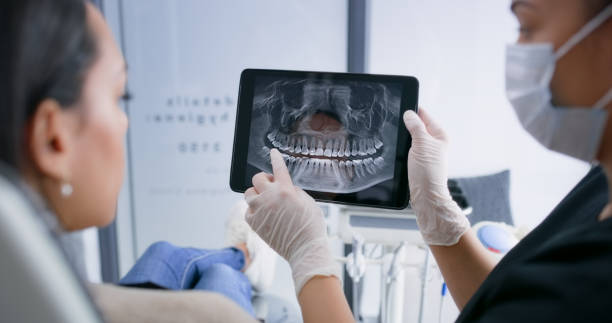
Wisdom teeth, the third set of molars, often don't have enough room to erupt properly, which is why so many end up impacted — angled sideways, partially emerged, or trapped entirely beneath the gum. Imaging beforehand shows exactly how the tooth is oriented, which determines whether it's a straightforward removal or a more involved surgical extraction.
{Not every wisdom tooth needs to come out — some erupt fully and function normally — but impacted or partially erupted ones are frequently linked to infection, crowding, and cyst formation if left alone.|The decision to remove usually comes down to whether the tooth is causing or likely to cause problems: infection risk, crowding of nearby teeth, or a cyst forming around an impacted tooth.} Because multiple teeth are frequently removed in one visit, sedation beyond local anesthesia is commonly offered and often preferred by patients.
Removal tends to be more involved the longer it's put off, since fully formed roots and denser bone make extraction more complex with age. Catching a problem tooth before it causes pain is usually easier on both the timeline and the recovery.
Full-mouth imaging shows exact tooth angle and proximity to nerves before surgery is planned.
Multiple sedation levels are available depending on how many teeth are removed and patient anxiety.
Complex cases are routed to a surgical specialist rather than attempted by general referral.
One appointment typically handles all impacted teeth rather than staggering removals over separate visits.
Our network specialists cover the full range of this procedure, from the routine case to the complicated one.
Removes teeth trapped fully or partially beneath the gum or angled against neighboring molars.
For teeth that have broken through but are still recommended for removal due to crowding or decay risk.
The most common approach when several or all four teeth need extraction.
Removes both the tooth and any associated cyst tissue in the same procedure.

A comfort option for surgical cases involving significant impaction or extraction time.
A scheduled check-in after surgery ensures the extraction sites are healing as expected.
You describe what's going on; no automated menu, no long hold.
We match you with a nearby specialist experienced in this exact procedure and check real-time openings.
The specialist examines your case, often with same-visit X-rays, and gives you a cost estimate before starting anything.
You leave with the issue addressed and a plan for any next steps already scheduled.
"They walked me through the cost and the procedure before I agreed to anything. Appreciated that."
"Got in faster than I expected for something this specific. Staff were sharp and direct."
"No upsells, no pressure. Just the treatment I needed at the price I was told."
Removal is usually recommended for impacted or problem-causing teeth, not automatically for every case.
Most patients recover within three to five days, with full healing over a couple of weeks.
Sedation options range from nitrous oxide to IV sedation depending on case complexity and preference.
Symptoms like swelling, pain, or pressure at the back of the jaw often prompt the imaging that reveals impaction.
Crowding pressure from the back is a common reason removal is recommended even without pain.
Pricing varies with sedation choice and case complexity, confirmed during your consultation.
Our coverage spans Winsted and its surrounding area, matching you with the closest available specialist.
Every provider carries an active CT dental license, verified before referral.
Call now and a real coordinator will match you with a specialist and a confirmed time.
Call +1-866-227-2801 Now